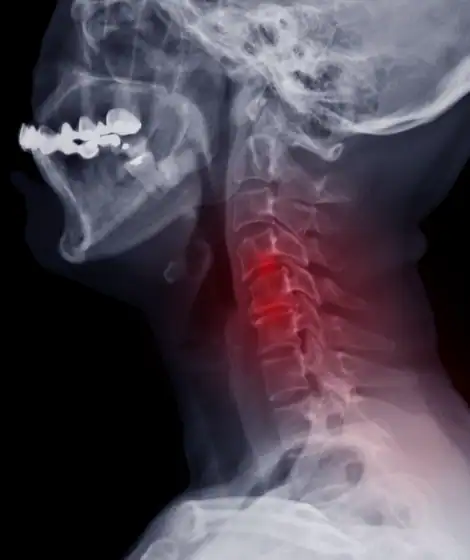
Neck pain is one of the most common musculoskeletal complaints, but surgery is rarely the answer. The majority of patients with cervical spine pain have conditions that respond well to conservative management, and understanding what those conditions are can prevent unnecessary procedures and guide you toward the right care. Dr. Thomas M. Wascher, MD, FACS, reviews the top causes of neck pain that typically do not require surgery, along with the treatments that work.
Why Surgery Is Rarely the First Answer for Neck Pain
The cervical spine is a complex structure, and pain in the neck can come from muscles, joints, discs, or nerve roots. Most of the time, symptoms resolve with the right combination of conservative treatment, time, and activity modification. Surgery becomes appropriate when there is confirmed nerve or spinal cord compression, progressive neurologic decline, or structural instability. For most patients, those thresholds are not met.
If you are trying to understand whether your specific symptoms might require surgical evaluation, the surgical decision-making process for cervical spine disease is a useful place to start.
Not sure whether your neck pain warrants a specialist consultation? Call Wascher Cervical Spine Institute at (855) 854-9274 or contact us online to speak with our team.
1. Cervical Muscle Strain and Postural Neck Pain
The most common cause of neck pain is muscular and postural dysfunction. Prolonged computer use, poor ergonomics, smartphone overuse, and repetitive occupational activities frequently contribute.
Typical Symptoms
- Axial neck stiffness
- Trapezial pain
- Headaches
- Pain worsened by prolonged posture
- No neurologic deficits
The absence of neurologic findings, such as arm weakness, numbness, or tingling, is characteristic of this diagnosis. Symptoms are mechanical in nature and typically related to sustained postures or repetitive movements.
Common Treatments
- Physical therapy
- Chiropractic care
- Ergonomic correction
- Home exercise programs
Most patients improve substantially within weeks to months with consistent conservative care.
2. Cervical Facet Syndrome
The cervical facet joints are frequent pain generators, particularly in older adults and after motor vehicle accidents. These small joints connect adjacent vertebrae and can become irritated or arthritic over time, producing a distinct pattern of symptoms.
Clinical Features
- Localized neck pain
- Pain with extension or rotation
- Referred pain into the shoulders or upper thoracic region
- Typically absent arm weakness
The referred pain pattern of facet syndrome can sometimes be confused with nerve-related symptoms, but the absence of arm weakness and neurologic deficits helps distinguish it. Cervical vertebral osteoarthritis is a closely related condition that can contribute to facet-mediated pain, particularly in older patients.
Non-Surgical Management
- Manual therapy
- Physical therapy
- Medial branch blocks
- Radiofrequency ablation
- Anti-inflammatory medications
Surgery is rarely indicated for isolated facet-mediated pain. Most patients achieve meaningful relief through the interventional and rehabilitative options listed above.
3. Cervical Degenerative Disc Disease
Disc degeneration is a natural part of aging in the cervical spine and is extremely common on imaging in adults over 40. The presence of degenerative findings on MRI does not, by itself, justify surgery. Abnormal imaging findings must be correlated with clinical symptoms before any treatment decision is made.
Findings That May Be Present
- Small osteophytes (bone spurs)
- Disc space narrowing
- Loss of disc height
- Mild foraminal narrowing
These findings are widespread in the general population and are often asymptomatic. When they do produce symptoms, the pattern is typically axial neck pain, stiffness, and reduced range of motion. Degenerative disc disease of the cervical spine is one of the most frequently over-treated diagnoses when imaging drives decisions rather than clinical findings.
Treatment Approach
Exercise-based rehabilitation and targeted strengthening are the foundation of treatment for cervical degenerative disc disease. Additional options include:
- Physical therapy focused on cervical stabilization
- Anti-inflammatory medications
- Activity modification
- Interventional pain management when appropriate
The clinical picture, not the MRI report alone, guides whether further workup or surgical evaluation is warranted.
4. Cervical Radiculopathy (When Conservative Care Is Appropriate)
Cervical radiculopathy involves irritation or compression of a nerve root, producing pain, tingling, or weakness that travels into the arm or hand. While severe or persistent radiculopathy may eventually require surgical intervention, many patients with early or mild symptoms respond to conservative management without surgery.
When Non-Operative Treatment Is Appropriate
Conservative care is a reasonable first approach when:
- Neurologic deficits are absent or mild and stable
- Symptoms have not been present long enough to exhaust non-operative options
- There is no evidence of rapid neurologic decline
- Imaging confirms compression but the clinical picture does not yet indicate surgical urgency
A judicious course of conservative treatment, including physical therapy, anti-inflammatory medications, and selective nerve root injections, helps many patients avoid surgery while ensuring that neurologic status is monitored closely. If symptoms progress or fail to respond, further evaluation is warranted. Learn more about cervical foraminal stenosis, a closely related condition that can contribute to radicular symptoms.
When Non-Surgical Care Is No Longer Enough
The four conditions above account for the majority of cervical spine presentations, and most patients with these diagnoses do well without surgery. However, symptoms that change in character deserve attention. If you develop progressive arm or hand weakness, loss of coordination, gait problems, or symptoms that worsen despite appropriate conservative treatment, a surgical consultation is warranted.
The goal is not to avoid surgery at all costs. The goal is to ensure the right treatment is applied at the right time. Review our patient outcomes to understand how that philosophy shapes care at Wascher Cervical Spine Institute.
Have questions about your neck pain diagnosis or treatment options? Call Wascher Cervical Spine Institute at (855) 854-9274 or request a consultation online.
Frequently Asked Questions
Q: What is the most common cause of neck pain? The most common cause of neck pain is muscular and postural dysfunction. Prolonged computer use, poor ergonomics, smartphone overuse, and repetitive occupational activities are frequent contributors. Most patients with this type of neck pain improve substantially with physical therapy, ergonomic correction, and home exercise programs.
Q: Does a bad MRI mean I need neck surgery? No. Abnormal MRI findings in the cervical spine are extremely common in adults and do not by themselves indicate that surgery is needed. Imaging findings must be correlated with clinical symptoms, neurologic examination, and response to conservative treatment. An MRI showing disc degeneration or bone spurs in an otherwise asymptomatic or mildly symptomatic patient does not justify surgical intervention.
Q: What is cervical facet syndrome and how is it treated? Cervical facet syndrome occurs when the small joints connecting adjacent vertebrae in the neck become a source of pain, typically producing localized neck pain, discomfort with extension or rotation, and referred pain into the shoulders or upper back. It is particularly common in older adults and after motor vehicle accidents. Surgery is rarely indicated. Most patients are managed successfully with physical therapy, medial branch blocks, radiofrequency ablation, and anti-inflammatory medications.
Q: Can cervical radiculopathy resolve without surgery? Yes. Many patients with cervical radiculopathy improve with conservative treatment, including physical therapy, anti-inflammatory medications, and selective nerve root injections. Surgery is considered when neurologic deficits are progressing, symptoms are severe and persistent despite a reasonable course of non-operative care, or when imaging confirms significant compression requiring decompression.
Q: How do I know if my neck pain is serious enough to see a specialist? Neck pain accompanied by arm or hand weakness, numbness, tingling, loss of coordination, gait changes, or bowel and bladder symptoms warrants a specialist evaluation. Isolated neck pain without neurologic findings can often be managed initially by a primary care physician, physical therapist, or chiropractor, but a spine specialist consultation is appropriate if symptoms are not improving or the diagnosis is unclear.