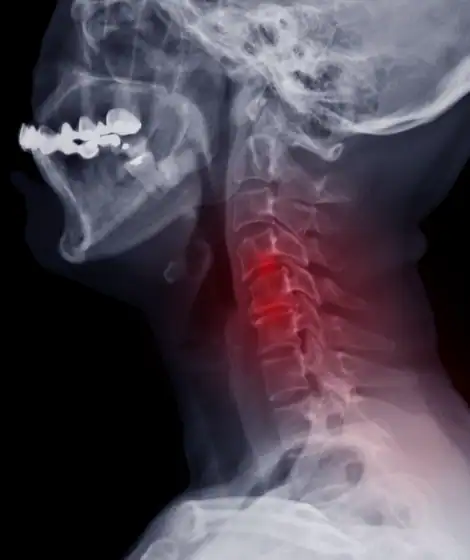
Evidence-Based Guidance for Patients with Neck Pain, Arm Pain, Weakness, or Cervical Spinal Cord Compression
By Thomas M. Wascher, MD, FACS | Cervical Spine Care · Patient Education · Spine Surgery Decision-Making
Executive Summary
Most patients with neck pain do not require cervical spine surgery. However, surgery may become appropriate when symptoms result from significant nerve root or spinal cord compression, progressive neurologic decline, structural instability, or persistent pain that fails appropriate conservative treatment.
Common conditions that may eventually require surgery include:
- Cervical Disc Herniation
- Cervical Radiculopathy
- Cervical Spinal Stenosis
- Cervical Myelopathy
- Cervical deformity or instability
Evidence-based treatment begins with accurate diagnosis, high-quality imaging, physical examination, and collaboration among primary care physicians, chiropractors, physical therapists, pain specialists, and spine surgeons. Most patients improve without surgery, but certain symptoms, including weakness, gait imbalance, spinal cord compression, or progressive neurologic dysfunction, may require prompt surgical evaluation.
The goal of cervical spine surgery is not simply pain reduction. The primary objectives are:
- Protection of neurologic function
- Relief of nerve or spinal cord compression
- Restoration of spinal stability
- Improvement in quality of life and function
When Is Cervical Spine Surgery Necessary?
Cervical spine surgery may be necessary when patients develop significant spinal cord or nerve compression causing arm pain, weakness, numbness, gait imbalance, loss of hand dexterity, or progressive neurologic deficits that fail conservative treatment. Surgery is most commonly considered after nonoperative care has failed or when neurologic deterioration or spinal instability is present.
Understanding the Cervical Spine
The cervical spine consists of seven vertebrae in the neck (C1–C7) that support the head while protecting the spinal cord and exiting nerve roots. Degenerative changes, disc herniations, arthritis, trauma, or instability may narrow the spinal canal or neural foramina and compress neurologic structures.
Common cervical spine symptoms include:
- Neck pain
- Arm pain
- Shoulder blade pain
- Numbness or tingling
- Weakness
- Loss of balance
- Hand clumsiness
- Difficulty walking
While many cases improve with conservative treatment, some patients develop progressive neurologic dysfunction that may warrant surgical intervention.
Most Patients Improve Without Surgery
An important principle in spine care is that most episodes of neck pain improve without surgery. Conservative management often includes:
- Physical therapy
- Chiropractic care when appropriate
- Anti-inflammatory medications
- Activity modification
- Postural correction
- Home exercise programs
- Selective spinal injections
Collaborative care between primary care physicians, nurse practitioners, chiropractors, physical therapists, and spine specialists often produces excellent outcomes.
Surgery is typically reserved for patients with:
- Persistent disabling symptoms
- Progressive neurologic loss
- Structural instability
- Spinal cord compression
- Failure of reasonable nonoperative care
Not sure whether your symptoms point to surgery or conservative care? Dr. Thomas Wascher is a fellowship-trained cervical spine neurosurgeon with more than 30 years of experience and 4,500+ cervical spine surgeries. He offers a free MRI review and second opinion at Wascher Cervical Spine Institute in Appleton, WI. Call (855) 854-9274 or request a consultation to get clarity on your options.
Common Conditions That May Require Cervical Spine Surgery
Cervical Radiculopathy
Cervical Radiculopathy occurs when a cervical nerve root becomes compressed, often from a disc herniation or bone spur.
Symptoms may include:
- Arm pain
- Burning pain
- Numbness
- Tingling
- Weakness
Many patients improve with conservative treatment over 6–12 weeks. Surgery may be considered when severe pain or weakness persists despite appropriate care.
Cervical Myelopathy
Cervical Myelopathy is among the most important indications for cervical spine surgery.
Symptoms may include:
- Balance problems
- Difficulty with fine motor tasks
- Hand clumsiness
- Weakness
- Falls
- Leg stiffness
- Bowel or bladder dysfunction in advanced cases
Unlike isolated neck pain, cervical myelopathy may worsen progressively over time. Early surgical evaluation is often recommended because prolonged spinal cord compression may lead to irreversible neurologic injury.
Cervical Spinal Stenosis
Cervical Spinal Stenosis refers to narrowing of the spinal canal or neural foramina.
Patients may develop:
- Neck pain
- Arm pain
- Weakness
- Spinal cord compression symptoms
Treatment depends on symptom severity, neurologic findings, imaging results, and response to conservative care.
What Symptoms Require Prompt Spine Evaluation?
Patients should seek prompt medical evaluation if they develop:
- Progressive weakness
- Difficulty walking
- Loss of hand coordination
- Severe radiating arm pain
- Numbness associated with weakness
- Loss of bowel or bladder control
- Symptoms after trauma
These findings may indicate significant neurologic compression requiring advanced imaging or surgical consultation.
How Doctors Determine Whether Surgery Is Appropriate
Appropriate surgical decision-making requires correlation of:
- Patient symptoms
- Neurologic examination
- Imaging studies
- Functional impairment
- Response to conservative care
Imaging commonly includes:
- MRI
- CT scanning
- X-rays
- Flexion-extension radiographs
Importantly, MRI abnormalities alone do not necessarily mean surgery is required. Many asymptomatic adults demonstrate degenerative findings on imaging.
Treatment decisions should focus on whether imaging abnormalities correlate with the patient’s symptoms and neurologic findings.
Common Cervical Spine Surgical Procedures
The most common cervical procedures include:
Anterior Cervical Discectomy and Fusion
Anterior Cervical Discectomy and Fusion removes a damaged disc and decompresses the nerve roots or spinal cord while stabilizing the spine with fusion.
Common indications:
- Disc herniation
- Foraminal stenosis
- Cervical myelopathy
Cervical Disc Replacement
Cervical Disc Replacement preserves motion at the operated level in selected patients.
Potential candidates may include:
- Younger patients
- Limited degenerative disease
- Absence of instability
Posterior Cervical Decompression and Fusion
Posterior Cervical Decompression and Fusion may be used for:
- Multilevel stenosis
- Cervical deformity
- Complex spinal cord compression
- Instability
What Are the Risks of Cervical Spine Surgery?
All surgery carries risk. Potential complications may include:
- Infection
- Bleeding
- Dysphagia
- Nerve injury
- Cerebrospinal fluid leak
- Pseudarthrosis
- Hardware complications
- Persistent pain
- Adjacent segment degeneration
Fortunately, major complications are uncommon in appropriately selected patients treated by experienced surgical teams.
Patients should discuss individualized risks, alternatives, expected outcomes, and recovery timelines with their surgeon.
Questions Patients Should Ask Before Surgery
Patients should feel comfortable asking:
- What is the exact diagnosis?
- Is surgery absolutely necessary?
- What nonsurgical options remain?
- What are the risks and expected outcomes?
- What happens if surgery is delayed?
- How many similar procedures have you performed?
- What is the expected recovery timeline?
Shared decision-making remains essential in modern spine care.
The Importance of Multidisciplinary Spine Care
Optimal cervical spine care often involves collaboration among:
- Primary care physicians
- Chiropractors
- Physical therapists
- Pain management specialists
- Neurologists
- Spine surgeons
Many patients improve without surgery through coordinated conservative management. When surgery becomes appropriate, referral to an experienced cervical spine specialist can help patients understand available treatment options.
Frequently Asked Questions
When is cervical spine surgery necessary? Cervical spine surgery may be necessary when patients develop significant spinal cord or nerve compression causing arm pain, weakness, numbness, gait imbalance, loss of hand dexterity, or progressive neurologic deficits that fail conservative treatment. Surgery is most commonly considered after nonoperative care has failed or when neurologic deterioration or spinal instability is present.
Does an abnormal MRI mean I need neck surgery? Not necessarily. MRI abnormalities alone do not necessarily mean surgery is required, and many asymptomatic adults demonstrate degenerative findings on imaging. Treatment decisions should focus on whether imaging abnormalities correlate with the patient’s symptoms and neurologic findings.
Can neck pain be treated without surgery? Yes. The majority of neck pain episodes improve without surgery. Conservative management often includes physical therapy, chiropractic care when appropriate, anti-inflammatory medications, activity modification, postural correction, home exercise programs, and selective spinal injections.
What is the difference between cervical radiculopathy and cervical myelopathy? Cervical radiculopathy occurs when a cervical nerve root becomes compressed, often causing arm pain, numbness, tingling, or weakness. Cervical myelopathy involves compression of the spinal cord itself and may cause balance problems, hand clumsiness, leg stiffness, and difficulty walking. Myelopathy may worsen progressively, so early surgical evaluation is often recommended.
Final Thoughts
The question “Do I need cervical spine surgery?” cannot be answered by MRI findings alone. The decision depends on symptoms, neurologic examination, imaging correlation, functional limitations, and response to conservative treatment.
Most patients with neck pain improve without surgery. However, patients with significant neurologic compression, progressive weakness, cervical myelopathy, or disabling symptoms despite appropriate conservative care may benefit substantially from surgical treatment.
Early evaluation and evidence-based decision-making are essential to protecting neurologic function and optimizing long-term outcomes.
Weighing whether cervical spine surgery is right for you? An evaluation with an experienced cervical spine specialist can help you understand all options, both surgical and nonsurgical. Dr. Thomas Wascher, a fellowship-trained cervical spine neurosurgeon with 4,500+ surgeries, offers free MRI reviews and second opinions at Wascher Cervical Spine Institute in Appleton, WI. Call (855) 854-9274 or request your consultation today.
References
- Fehlings MG, et al. Degenerative Cervical Myelopathy: Diagnosis and Management. Global Spine Journal.
- Bakhsheshian J, et al. Evidence-Based Management of Cervical Radiculopathy. Spine.
- Matz PG, et al. Guidelines for Cervical Degenerative Disease Treatment. Journal of Neurosurgery: Spine.
- Rhee JM, et al. Cervical Radiculopathy. Journal of the American Academy of Orthopaedic Surgeons.
- North American Spine Society Clinical Guidelines.