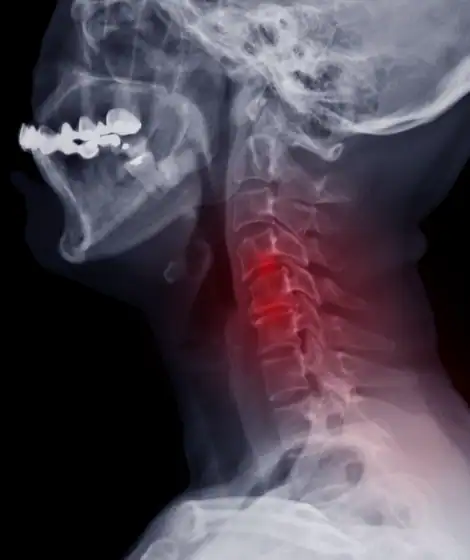
Cervical radiculopathy, typically resulting from disc herniation or foraminal stenosis, presents a frequent clinical dilemma: conservative management versus surgical referral. This article offers an evidence-based overview of the optimal duration of non-operative care, balancing symptomatic improvement against timely referral when it is indicated. It is written for the chiropractors, physical therapists, nurse practitioners, and primary care providers who manage these patients first and decide when to escalate.
The Clinical Question
Cervical radiculopathy arises when a cervical nerve root is compressed or irritated, commonly due to disc herniation, degenerative changes, or foraminal narrowing. Patients typically present with neck pain radiating into the upper extremity, paresthesia, motor weakness, or reflex changes. Non-operative management, including physical therapy, chiropractic care, activity modification, anti-inflammatory medication, and selective injections, is appropriate first-line therapy for most patients.
The harder question is how long conservative care should continue before surgical referral becomes appropriate. That decision depends on symptom progression, neurologic deficits, imaging findings, and patient-specific factors, not the calendar alone.
Natural History of Cervical Radiculopathy
The natural history of cervical radiculopathy is generally favorable. Most patients improve with conservative treatment, with substantial improvement commonly occurring within the first several months of onset. This favorable trajectory supports an initial trial of non-operative care for patients without significant or progressive neurologic deficits.
Recovery is not uniform, however. Age, severity of nerve compression, comorbidities, symptom duration, and baseline neurologic deficits all influence the rate and completeness of recovery. A prognosis tends to be less favorable when symptoms are longstanding or pain and disability are high at baseline. These same findings underscore why ongoing monitoring matters: a favorable average outcome does not guarantee a favorable individual one, and persistent or progressive deficits change the calculus.
Components of Non-Operative Care
Effective conservative management is multifactorial.
- Physical therapy. Focused on posture, cervical stabilization, nerve gliding, and range-of-motion. Early mobilization and activity modification can reduce pain intensity and improve function.
- Pharmacologic management. NSAIDs, short courses of oral corticosteroids, and neuropathic agents may help control pain and inflammation. Muscle relaxants and short-term analgesics are adjunctive rather than primary therapy.
- Activity modification. Avoidance of provocative movements and ergonomic education can reduce symptomatic exacerbations.
- Interventional treatments. Selective nerve root blocks or epidural steroid injections can be used for persistent radicular pain and may help accelerate functional recovery in appropriate candidates.
For a fuller overview of the condition and its workup, see our cervical radiculopathy and cervical disc herniation pages.
Timing Considerations for Referral
Initial Conservative Trial (0 to 6 Weeks)
Most patients with acute radiculopathy are appropriate candidates for non-operative care during this window. Track progress objectively through symptom diaries, functional scales, and serial neurologic examination rather than impression alone.
Subacute Phase (6 to 12 Weeks)
By this stage, patients should demonstrate objective improvement in pain, strength, and range of motion. Lack of improvement, or the emergence of progressive neurologic deficits such as worsening grip strength, biceps or triceps weakness, or radicular numbness, warrants surgical referral. Progression of any objective neurologic finding at any point should prompt MRI and referral, regardless of how many weeks have passed.
Beyond 12 Weeks
Persistent symptoms beyond 12 weeks despite structured therapy suggest a lower likelihood of spontaneous resolution. The literature broadly supports considering surgical evaluation when significant radicular pain or functional impairment persists past a 6 to 12 week conservative trial. Notably, delayed referral in patients with ongoing radiculopathy has been associated with slower recovery and more persistent functional limitations, so “watchful waiting” past this point should be a deliberate, documented decision rather than a default.
Red Flags Requiring Immediate Referral
Some presentations should bypass the standard conservative timeline and be referred promptly:
- Rapidly progressing weakness or sensory loss
- Signs of myelopathy such as gait instability, hyperreflexia, or a positive Hoffman’s sign
- Bowel or bladder dysfunction
- Severe, intractable pain unresponsive to multimodal therapy
These warrant urgent evaluation rather than a continued non-operative trial.
Have a patient who fits this picture? Dr. Wascher offers a free MRI review and second opinion for referring colleagues. Request a consultation or call (855) 854-9274, and we will coordinate timely evaluation.
Evidence-Based Guidance
Professional society guidance and the peer-reviewed literature generally converge on a similar window. A 6 to 12 week trial of conservative care is widely supported for cervical radiculopathy in the absence of severe or progressive neurologic deficits, with surgical evaluation considered when significant pain or functional impairment persists. Reviews of the timing question have also suggested that, once an operative indication exists, earlier referral may be associated with better arm-pain resolution and functional outcomes than prolonged delay. (Suggested verified sources are listed at the end for Dr. Wascher’s review.)
Optimizing Patient Outcomes
Monitoring and Documentation
Routine assessment of pain scores, neurologic exams, and functional status is essential. Clear documentation justifies timely referral and supports continuity of care across the team.
A Collaborative Referral Approach
Chiropractors and physical therapists are often first to identify lack of progress or red flags during a course of therapy. Nurse practitioners and primary care providers coordinate imaging follow-up and specialist referral. Interdisciplinary communication is what ensures early surgical consultation when conservative care has genuinely failed, and it is the foundation of sound surgical decision-making.
Patient Education
Clear communication about expected timelines prevents frustration and improves adherence. Patients should understand that while pain may fluctuate, persistent or progressing weakness is a key indicator for reevaluation, not something to wait out.
When to Refer to Wascher Cervical Spine Institute
Dr. Thomas Wascher, M.D., FACS, brings more than 30 years of dedicated cervical spine experience to the evaluation of radiculopathy, with a 99% improvement rate across 252+ anterior-posterior cases. The practice offers free MRI reviews and second opinions for both patients and referring providers at 5320 W. Michaels Dr., Appleton, WI.
If your patient has failed a structured conservative trial, shows progressive deficits, or presents with any red flag above, we will see them quickly. You can review our published outcomes data or request a consultation directly.
Conclusion
The optimal duration of non-operative care in cervical radiculopathy is generally 6 to 12 weeks, with careful monitoring for improvement in pain, strength, and function. Delaying referral beyond this period in patients who fail conservative therapy or develop progressive neurologic deficits can compromise outcomes. Chiropractors, physical therapists, nurse practitioners, and primary care providers play a central role in timely recognition, documentation, and referral. Adhering to evidence-based timelines and collaborative care principles helps maximize recovery and minimize the risk of long-term functional impairment.
Frequently Asked Questions
How long should conservative care continue before referring cervical radiculopathy for surgery? For most patients without significant or progressive deficits, a 6 to 12 week trial of structured conservative care is reasonable. If meaningful objective improvement has not occurred by then, or if deficits progress at any point, surgical evaluation is appropriate.
What red flags warrant immediate referral rather than continued conservative care? Rapidly progressing weakness or sensory loss, signs of myelopathy (gait instability, hyperreflexia, positive Hoffman’s sign), bowel or bladder dysfunction, and severe intractable pain all warrant prompt referral rather than a continued non-operative trial.
Does delaying surgical referral affect outcomes? It can. While most patients do well with conservative care, ongoing radiculopathy with persistent or progressive deficits has been associated with slower recovery and more lasting functional limitations when referral is delayed. Watchful waiting past 12 weeks should be a deliberate, documented decision.
What should referring providers document before sending a patient for surgical evaluation? Serial pain scores, neurologic exam findings, functional status, the specific conservative measures tried with dates and response, and any imaging. Clear documentation supports timely, appropriate referral and continuity of care.
Does Wascher Cervical Spine Institute review referrals and imaging for colleagues? Yes. The practice offers free MRI reviews and second opinions for referring providers and patients. Call (855) 854-9274 or request a consultation online to coordinate evaluation.