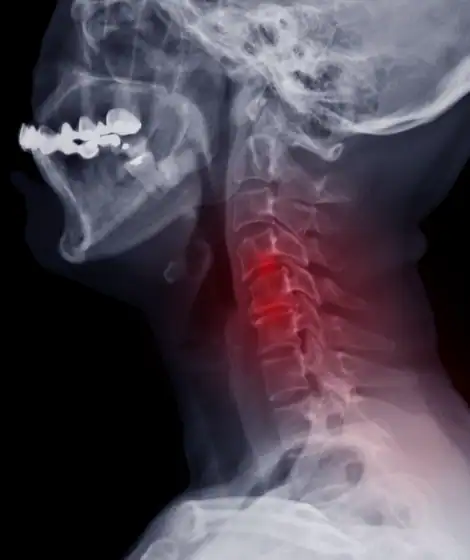
Most patients with neck pain do not require cervical spine surgery. The question of whether surgery is appropriate depends on the specific diagnosis, severity of symptoms, neurological status, and response to conservative treatment. This guide, authored by Dr. Thomas M. Wascher, MD, FACS, explains what actually drives that decision, so you can approach it with clarity.
The Goal of Cervical Spine Surgery Is Not Simply Pain Relief
This is one of the most important things patients can understand before pursuing any surgical consultation. The primary objectives of cervical spine surgery are:
- Protection of neurologic function
- Relief of nerve root or spinal cord compression
- Restoration of spinal stability
- Improvement in quality of life and function
Pain reduction matters, but it is secondary to protecting the nervous system and restoring function. That distinction shapes every aspect of surgical decision-making for cervical spine disease.
Conditions That May Eventually Require Surgery
Surgery may become appropriate when symptoms result from significant nerve root or spinal cord compression, progressive neurologic decline, structural instability, or persistent symptoms that fail appropriate conservative treatment. The following conditions most commonly fall into that category.
Cervical Disc Herniation
A cervical disc herniation occurs when disc material displaces and compresses a nearby nerve root or the spinal cord. Many herniations resolve with conservative care. Surgery becomes a consideration when compression produces persistent arm pain, weakness, or numbness that does not respond to non-operative treatment, or when neurologic function is at risk.
Cervical Radiculopathy
Cervical radiculopathy refers to symptoms caused by a compressed or irritated nerve root, typically producing pain, tingling, or weakness that travels into the arm or hand. Conservative management is appropriate for most patients. Surgery may be warranted when symptoms are severe, persistent beyond a reasonable trial of treatment, or associated with measurable neurologic deficit.
Cervical Spinal Stenosis
Cervical stenosis is a narrowing of the spinal canal that can compress the spinal cord or nerve roots. It often develops gradually from degenerative changes, including disc degeneration, bone spurs, and arthritis. When stenosis produces significant cord compression or progressive neurologic symptoms, surgical decompression is frequently indicated.
Cervical Myelopathy
Cervical myelopathy is compression of the spinal cord itself, and it carries the most serious implications of the conditions listed here. Symptoms can include hand clumsiness, gait imbalance, leg stiffness, and in advanced cases, bowel or bladder dysfunction. When myelopathy is confirmed, early surgical evaluation is strongly recommended. Delayed treatment can result in prolonged or permanent neurologic injury.
Cervical Deformity or Instability
Structural instability or significant cervical deformity may require surgical correction to protect the spinal cord, restore alignment, and prevent further neurologic deterioration. These cases are evaluated individually based on imaging findings, symptom burden, and functional status.
If you are experiencing arm weakness, progressive numbness, gait changes, or loss of hand coordination, do not wait. Call Wascher Cervical Spine Institute at (855) 854-9274 or contact us online to request a consultation.
Conservative Treatment Comes First
Evidence-based care begins with accurate diagnosis, high-quality imaging, thorough physical examination, and collaboration among primary care physicians, chiropractors, physical therapists, pain specialists, and spine surgeons. Most patients improve without surgery.
Common non-operative approaches include:
- Anti-inflammatory medications
- Physical therapy and structured exercise
- Postural correction and ergonomic modification
- Epidural steroid injections or nerve blocks
- Activity modification
The threshold for recommending surgery is reached when conservative treatment over a reasonable period (typically 6 to 12 weeks for most conditions) fails to produce meaningful improvement, or when neurologic status is declining.
Symptoms That Require Prompt Surgical Evaluation
While most neck pain warrants a non-surgical approach first, certain symptoms indicate that surgical evaluation should not be delayed:
- Progressive arm or hand weakness
- Gait imbalance or difficulty walking
- Spinal cord compression confirmed on MRI
- Loss of fine motor control or hand dexterity
- Bowel or bladder dysfunction associated with spine pathology
- Rapid neurologic decline
These findings suggest the nervous system is under active threat. Waiting in these circumstances risks permanent injury. Learn more about how to ensure the best possible outcome for cervical spine surgery when a procedure does become necessary.
How the Surgical Decision Gets Made
The decision to recommend surgery is never made on imaging alone. Abnormal MRI findings are common in adults and do not by themselves justify an operation. The evaluation process integrates:
- Detailed clinical history and symptom timeline
- Physical and neurological examination
- High-quality imaging (MRI, CT scan, flexion-extension radiographs as indicated)
- Response to conservative treatment
- Patient goals, overall health, and functional demands
Collaboration among specialists improves outcomes. If surgery is recommended and you have not yet sought a second opinion, that step is worth taking. Read more about why a second opinion matters before proceeding with any spine procedure.
At Wascher Cervical Spine Institute, the evaluation process is thorough by design. Review our patient outcomes to understand how that approach translates to results.
Ready to get clear answers about your cervical spine symptoms? Call Wascher Cervical Spine Institute at (855) 854-9274 or request a consultation online.
Frequently Asked Questions
Q: Do most patients with neck pain need cervical spine surgery? No. Most patients with neck pain do not require surgery. Conservative treatment, including physical therapy, anti-inflammatory medications, and activity modification, resolves symptoms for the majority of patients. Surgery becomes appropriate when significant nerve or spinal cord compression is confirmed, neurologic function is declining, or symptoms persist despite a reasonable course of non-operative care.
Q: What symptoms indicate I should seek a surgical consultation for my cervical spine? Symptoms that warrant prompt surgical evaluation include progressive arm or hand weakness, loss of fine motor control, gait imbalance, spinal cord compression on MRI, and bowel or bladder dysfunction associated with spine pathology. Isolated neck pain without neurologic findings typically does not require surgery.
Q: What conditions are most commonly treated with cervical spine surgery? The conditions most likely to require surgical treatment include cervical disc herniation, cervical radiculopathy, cervical spinal stenosis, cervical myelopathy, and cervical deformity or instability. Each condition is evaluated individually based on imaging, clinical findings, neurologic status, and response to conservative treatment.
Q: What is the goal of cervical spine surgery? The primary goals are protection of neurologic function, relief of nerve root or spinal cord compression, restoration of spinal stability, and improvement in quality of life and physical function. Pain reduction is an expected outcome but is not the sole objective.
Q: How long should I try conservative treatment before considering surgery? For most cervical spine conditions, a trial of 6 to 12 weeks of appropriate conservative treatment is reasonable before surgical options are discussed. However, if neurologic symptoms are progressing or spinal cord compression is present, surgical evaluation should not be delayed to complete a conservative treatment course.