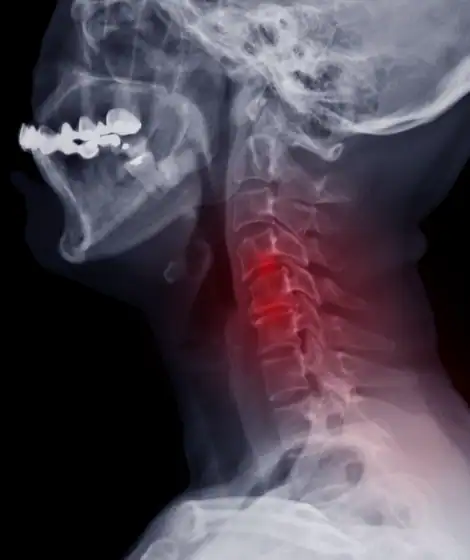
A Clinical Guide for Chiropractors, Physical Therapists, and Primary Care Physicians
Introduction
Cervical myelopathy represents a progressive spinal cord dysfunction resulting from mechanical compression, vascular compromise, or both, within the cervical spine. It is the most common cause of spinal cord impairment in adults over age 55 and a leading indication for cervical spine surgery worldwide. Early recognition is critical because neurological deficits may be partially or completely reversible when identified early, but delayed diagnosis is associated with permanent functional impairment.
The challenge for frontline clinicians—including chiropractors, physical therapists, and primary care physicians—is that early cervical myelopathy often presents with subtle, non-specific findings that may be misattributed to peripheral nerve disorders, musculoskeletal conditions, aging, or generalized deconditioning. These signs and symptoms are often erroneously attributed to other conditions, which is why awareness of early clinical indicators enables timely referral for advanced imaging and surgical consultation when appropriate.
This article reviews the pathophysiology, early symptoms, early physical examination findings, and practical clinical patterns that should raise suspicion for cervical myelopathy.
Pathophysiology and Mechanisms of Early Injury
Cervical myelopathy most commonly arises from degenerative cervical spondylosis, including:
These changes reduce the available space for the spinal cord, producing:
- Static compression — Direct mechanical pressure on neural tissue
- Dynamic compression — Cord deformation during flexion and extension
- Vascular compromise — Reduced microvascular perfusion and ischemia
- Secondary neuroinflammation and demyelination
The spinal cord tracts most vulnerable early include:
- Corticospinal tracts (motor control)
- Dorsal columns (proprioception, vibration)
- Spinocerebellar tracts (coordination)
Because these tracts serve global neurological functions, early deficits often affect coordination, dexterity, and balance rather than isolated strength loss.
To refer a patient or discuss a case with Dr. Wascher, call (855) 854-9274 or request a consultation online.
Early Symptoms: Often Subtle and Easily Overlooked
1. Hand Dysfunction and Loss of Fine Motor Control
One of the earliest and most characteristic symptoms is impaired hand dexterity. Patients may report:
- Difficulty buttoning shirts
- Trouble with handwriting (micrographia or loss of precision)
- Dropping objects unexpectedly
- Difficulty manipulating small objects such as coins or keys
- Loss of speed or coordination in typing
These deficits reflect early corticospinal tract dysfunction and impaired motor control rather than isolated peripheral nerve compression. Importantly, patients may not describe “weakness,” but rather clumsiness or loss of coordination.
2. Gait Instability and Subtle Balance Changes
Gait disturbance is a hallmark of cervical myelopathy and may appear early. Patients may report:
- Feeling unsteady when walking
- Difficulty walking in the dark
- Loss of confidence on uneven surfaces
- Increased reliance on handrails
- Reduced walking speed
Family members often notice balance changes before patients do. This occurs due to dorsal column dysfunction affecting proprioception and corticospinal tract involvement affecting motor coordination. Unlike lumbar stenosis, symptoms are not typically relieved by sitting or flexion.
3. Sensory Changes in Hands and Arms
Early sensory symptoms may include:
- Numbness in fingers or hands
- Diffuse hand paresthesias
- Bilateral or non-dermatomal sensory changes
- Loss of vibration sense
Symptoms may mimic carpal tunnel syndrome but often involve multiple fingers, both hands, or non-median nerve distributions. Sensory findings may be mild and intermittent early.
4. Neck Stiffness or Mild Axial Neck Pain
Some patients report:
- Neck stiffness
- Reduced range of motion
- Mild axial discomfort
However, neck pain may be absent entirely. Importantly, severe neck pain is not required for significant spinal cord compression.
5. Upper Extremity Weakness (Often Mild Initially)
Early weakness may manifest as:
- Grip weakness
- Fatigue with hand use
- Difficulty opening jars
- Reduced endurance rather than overt paralysis
Objective weakness may be minimal early and requires careful examination.
6. Early Lower Extremity Symptoms
Subtle lower extremity changes include:
- Leg stiffness
- Reduced coordination
- Mild weakness
- Changes in walking efficiency
These may precede overt gait disturbance.
7. Urinary Changes (Late Early Finding)
Bladder dysfunction is typically a later sign but may include:
- Urinary urgency
- Increased frequency
- Hesitancy
True incontinence usually represents more advanced disease.
Early Physical Examination Findings
Careful neurological examination is essential, as early objective findings may be present even when symptoms are vague.
Hyperreflexia
One of the most sensitive early signs is increased deep tendon reflexes, particularly:
- Biceps reflex
- Triceps reflex
- Patellar reflex
- Achilles reflex
Comparison to baseline or asymmetry may be informative. Hyperreflexia reflects loss of descending inhibitory control.
Pathologic Reflexes
These include:
Hoffmann Sign
- Finger flexion response to flicking the distal phalanx of the middle finger
- Indicates corticospinal tract dysfunction
Babinski Sign
- Extension of the great toe with plantar stimulation
- Indicates upper motor neuron involvement
Inverted Supinator Sign
- Finger flexion instead of elbow flexion during brachioradialis reflex testing
These findings are highly suggestive of spinal cord involvement.
Clonus
Sustained ankle clonus is a specific sign of myelopathy. Even transient clonus may be significant in the appropriate clinical context.
Gait Abnormalities
Early gait changes may include:
- Wide-based gait
- Reduced stride length
- Loss of fluidity
- Difficulty with tandem gait
Tandem gait testing is particularly sensitive for early myelopathy.
Loss of Proprioception and Vibration
Early dorsal column dysfunction produces:
- Reduced vibration sense
- Impaired joint position sense
- Positive Romberg test
These findings often precede strength loss.
Clinical Patterns That Should Raise Suspicion
Certain symptom combinations strongly suggest early cervical myelopathy.
Pattern 1: Hand Clumsiness + Hyperreflexia This is highly concerning for spinal cord compression.
Pattern 2: Bilateral Hand Symptoms Without Clear Peripheral Pattern Especially when accompanied by reflex abnormalities.
Pattern 3: Gait Changes Without Lumbar Explanation Particularly in the presence of normal lumbar imaging.
Pattern 4: Upper Motor Neuron Signs in Upper and Lower Extremities This pattern localizes pathology to the cervical spinal cord.
Pattern 5: Progressive Neurological Symptoms Progression over weeks to months is characteristic.
Differentiating Myelopathy from Common Mimics
Conditions commonly confused with early cervical myelopathy include:
- Carpal tunnel syndrome
- Peripheral neuropathy
- Cervical radiculopathy
- Rotator cuff pathology
- Lumbar spinal stenosis
- Multiple sclerosis
Key distinguishing features of myelopathy include:
- Hyperreflexia
- Bilateral symptoms
- Gait involvement
- Upper motor neuron signs
- Mixed upper and lower extremity findings
Peripheral nerve conditions do not produce hyperreflexia or pathologic reflexes.
Importance of Early Recognition and Referral
Cervical myelopathy is typically progressive. Natural history studies show:
- Stepwise neurological decline
- Periods of stability followed by deterioration
- Low likelihood of spontaneous recovery with significant cord compression
Numerous studies demonstrate improved outcomes when surgical decompression occurs before severe neurological deficits develop.
Delayed referral may result in:
- Permanent motor impairment
- Permanent gait dysfunction
- Reduced functional independence
Early referral allows evaluation of both surgical and non-surgical options.
When to Consider Advanced Imaging and Referral
MRI of the cervical spine is indicated when clinical suspicion exists, particularly in the presence of:
- Hyperreflexia
- Hoffmann or Babinski sign
- Gait disturbance
- Hand dysfunction
- Progressive neurological symptoms
MRI findings may include:
Presence of cord signal change often correlates with more advanced injury. Referral to a spine specialist or neurosurgeon is appropriate when imaging confirms cord compression or clinical findings strongly suggest myelopathy.
Role of Conservative Providers in Early Detection
Chiropractors, physical therapists, and primary care physicians play a critical role in early identification. These clinicians frequently evaluate patients earlier than specialists and are uniquely positioned to detect:
- Early neurological changes
- Progressive functional decline
- Subtle coordination deficits
Recognition and timely referral improve patient outcomes. Importantly, cervical manipulation is generally contraindicated when cervical myelopathy is suspected due to risk of neurological deterioration.
Prognosis and Impact of Early Intervention
Factors associated with better outcomes include:
- Early diagnosis
- Shorter duration of symptoms
- Mild neurological deficits at presentation
- Younger patient age
- Absence of severe cord signal change
Early intervention can stabilize or improve neurological function. Delayed treatment is associated with irreversible spinal cord injury.
View Dr. Wascher’s documented career outcomes — complete transparency for referring providers and patients alike.
Frequently Asked Questions
Q: What are the earliest signs of cervical myelopathy?
A: The earliest signs are often subtle and easily missed. Hand clumsiness and loss of fine motor control — such as difficulty buttoning shirts or dropping objects — are among the first symptoms. Gait instability, bilateral hand numbness, and mild grip weakness may also appear early. On examination, hyperreflexia and pathologic reflexes such as a Hoffmann or Babinski sign may be present even when symptoms are vague.
Q: How is cervical myelopathy different from cervical radiculopathy?
A: Cervical radiculopathy involves nerve root compression and typically presents with unilateral, dermatomal arm pain, sensory changes, or focal weakness. Cervical myelopathy involves spinal cord compression and presents with bilateral hand symptoms, gait disturbance, hyperreflexia, and upper motor neuron signs. A key distinguishing point: peripheral nerve conditions do not produce hyperreflexia or pathologic reflexes. Both conditions can coexist in patients with multilevel degenerative disease.
Q: Can cervical myelopathy be present without significant neck pain?
A: Yes. Neck pain may be absent entirely in patients with significant spinal cord compression. Severe neck pain is not required for a diagnosis of cervical myelopathy. The absence of neck pain should not reassure the clinician when other signs — such as gait instability, hand clumsiness, or hyperreflexia — are present.
Q: When should a patient with suspected cervical myelopathy be referred for imaging?
A: MRI of the cervical spine should be ordered when clinical suspicion exists, particularly in the presence of hyperreflexia, Hoffmann or Babinski sign, gait disturbance, hand dysfunction, or progressive neurological symptoms. Referral to a spine specialist is appropriate when imaging confirms cord compression or when clinical findings strongly suggest myelopathy, even before imaging is completed.
Q: Is cervical manipulation safe when myelopathy is suspected?
A: No. Cervical manipulation is generally contraindicated when cervical myelopathy is suspected due to the risk of neurological deterioration. When clinical examination findings raise concern for myelopathy, the appropriate next step is advanced imaging and referral to a spine specialist — not continued manual treatment.
Conclusion
Cervical myelopathy is the most common cause of spinal cord dysfunction in adults and often presents with subtle early symptoms that may be easily overlooked. Early recognition significantly improves outcomes, while delayed diagnosis may lead to permanent neurological impairment. Frontline clinicians — including chiropractors, physical therapists, and primary care physicians — play a critical role in identifying early cervical myelopathy and facilitating timely specialist evaluation.
To refer a patient or request a consultation, contact Wascher Cervical Spine Institute at (855) 854-9274 or submit a referral request online.
Executive Summary
Cervical myelopathy is the most common cause of spinal cord dysfunction in adults and often presents with subtle early symptoms that may be easily overlooked.
Early symptoms include:
- Hand clumsiness and loss of fine motor skills
- Gait instability and balance impairment
- Bilateral hand numbness or paresthesias
- Mild upper extremity weakness
- Neck stiffness or discomfort
- Early urinary urgency in some cases
Key early physical examination findings include:
- Hyperreflexia
- Hoffmann sign
- Babinski sign
- Clonus
- Tandem gait impairment
- Loss of vibration and proprioception
Clinical patterns raising concern include:
- Bilateral hand symptoms
- Progressive neurological decline
- Gait disturbance without lumbar explanation
- Mixed upper and lower extremity neurological findings
MRI is the diagnostic imaging modality of choice. Early referral to a spine specialist is recommended when cervical myelopathy is suspected.
Early recognition significantly improves outcomes, while delayed diagnosis may lead to permanent neurological impairment. Frontline clinicians, including chiropractors, physical therapists, and primary care physicians, play a critical role in identifying early cervical myelopathy and facilitating timely specialist evaluation.