Whether you’re exploring your options or ready to schedule a consultation, we’re here to help you take the next step toward a pain-free life.

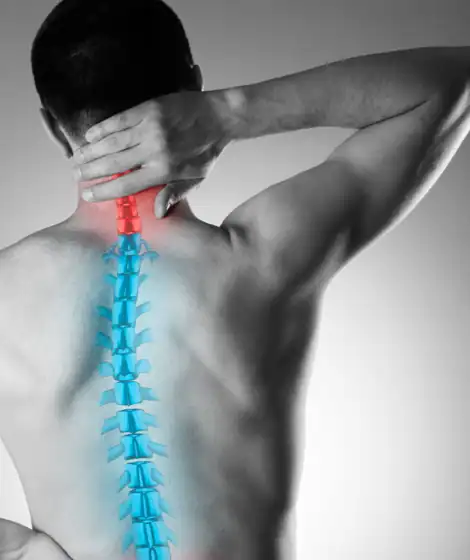
Cervical vertebral osteoarthritis is a form of arthritis that affects the vertebrae and discs in your neck. Your neck contains seven cervical vertebrae separated by intervertebral discs that act as shock absorbers. As we age, discs naturally lose water content and height, becoming less flexible. When discs deteriorate, vertebrae develop bone spurs called osteophytes that can press on nerve roots or the spinal cord, causing pain, stiffness, and neurological symptoms. While most people over 60 develop some degree of this condition, not everyone experiences symptoms severe enough to require treatment. Younger individuals with neck injuries, repetitive trauma, or genetic predisposition can develop it earlier, and smoking significantly accelerates progression by reducing blood flow to spinal discs. At Wascher Cervical Spine Institute in Appleton, WI, Dr. Thomas Wascher has successfully treated over 300 cases using advanced surgical techniques when conservative treatments fail.
When bone spurs compress nerve roots, you may experience radiating pain into the shoulders and arms, numbness and tingling in the hands, weakness making gripping difficult, or debilitating headaches from the base of your skull. When degenerative changes compress the spinal cord itself (cervical myelopathy), consequences become more serious, including leg weakness, balance problems, difficulty walking, and bowel or bladder dysfunction.
The progressive nature means occasional neck stiffness can evolve into chronic pain, limiting work, exercise, driving, and sleep. Many Appleton patients describe their neck "locking up" or experiencing muscle spasms, making head turning nearly impossible.


Common Signs: Neck pain and stiffness are hallmark symptoms, often radiating into the shoulders. Morning stiffness improving with gentle movement is common, as is pain intensifying after prolonged sitting or static positions. When nerve roots compress, numbness, tingling, or weakness appear in the arms and hands.
Red Flags: Leg weakness or numbness, walking difficulty, hand coordination loss, or bowel/bladder problems require immediate evaluation as these indicate spinal cord compression needing urgent treatment to prevent permanent damage.
Diagnostic Process: Dr. Wascher begins with a thorough clinical examination, including neurological testing. X-rays reveal bone spurs and disc height loss. MRI provides comprehensive imaging showing disc degeneration, nerve compression, and spinal cord involvement. CT scans or myelograms may be ordered for surgical planning.
Conservative Management: Most patients try non-surgical treatments first. NSAIDs and muscle relaxants reduce pain and improve mobility. Physical therapy focusing on neck strengthening, stretching, and postural training stabilizes the cervical spine. Cervical traction gently creates space for compressed nerves. Nerve root blocks or epidural steroid injections deliver medication directly to inflamed areas.
When Surgery Becomes Necessary: If conservative treatments fail after 4-6 weeks, or progressive neurological symptoms develop, surgical intervention may be warranted. Surgery decompresses nerves or the spinal cord, removes bone spurs or herniated discs, and stabilizes affected segments.
Dr. Wascher specializes in several procedures for cervical vertebral osteoarthritis:
With over 4,500 cervical spine surgeries performed, Dr. Wascher has successfully treated 300+ cervical vertebral osteoarthritis cases at Wascher Cervical Spine Institute.
Vanessa had years of neck pain leaving her unable to even do her daily work. But with Dr. Wascher’s quick and timely intervention that included multiple viewings of MRIs, muscle and nerve tests, followed by a 3-Level Anterior Cervical Fusion, she is now happy without any neck issues. “I can happily say that by following the recommendations of Dr. Wascher, I am now pain-free,” says Vanessa as she talks about how great Dr. Wascher and his team were to work with.
When Nanette experienced deep pain in her shoulder, she got tests performed, only to discover that she, in fact, had issues with her neck instead. After a few MRIs and scans, she contacted Dr. Wascher, who told her that she has bone spurs going into the spinal cord. Within a span of 3 weeks, she was able to go through surgery and get on the road to recovery. “I cannot say enough about Dr. Wascher’s expertise and empathy”, says Nanette as she joins an ever-growing community of people who, through Dr. Wascher and his team, have found happiness again.
Dr. Thomas Wascher brings over 30 years of specialized cervical spine expertise to patients throughout Wisconsin. His microscopic surgical techniques result in smaller scars, less pain, and faster recovery compared to traditional approaches. Located in Appleton at 5320 W. Michaels Dr., the practice offers free MRI reviews and second opinions to all potential patients.
Dr. Wascher graduated valedictorian from high school, college, and medical school, and has been recognized in America's Top Surgeons since 2007. His philosophy of treating everyone as a family member with a unique approach ensures personalized care rather than one-size-fits-all treatment.




Cervical vertebral osteoarthritis refers to degenerative changes in the discs and vertebrae themselves, while cervical stenosis describes the narrowing of the spinal canal that results from advanced arthritis. Stenosis is often a consequence of long-standing osteoarthritis when bone spurs and disc degeneration narrow the space available for the spinal cord. Both conditions frequently occur together, and treatment approaches overlap significantly depending on whether nerve roots or the spinal cord are compressed.
While cervical vertebral osteoarthritis cannot be completely reversed, conservative treatments can significantly reduce symptoms and slow progression in many cases. Physical therapy, anti-inflammatory medications, and lifestyle modifications help manage pain and maintain function. Surgery becomes necessary only when conservative treatments fail after 4-6 weeks, or when neurological symptoms indicate nerve or spinal cord damage requiring decompression. At Wascher Cervical Spine Institute, Dr. Wascher recommends surgery only after conservative options have been exhausted or when imaging shows concerning spinal cord compression.
Recovery timelines vary based on the specific procedure performed and individual healing factors. Fusion typically takes about 3 months to complete, though smokers may require a longer healing time. Dr. Wascher's microscopic surgical techniques at our Appleton facility result in less tissue trauma, smaller incisions, and faster recovery compared to traditional approaches. Patients receive detailed post-operative instructions and personalized follow-up care to optimize healing and return to normal activities.
Untreated cervical vertebral osteoarthritis often progresses over time, with increasing pain and functional limitations. The most concerning risk is progressive spinal cord compression (cervical myelopathy), which can cause permanent neurological damage if left untreated. Early symptoms like mild weakness or hand coordination problems can advance to difficulty walking, loss of bowel or bladder control, and irreversible spinal cord injury. While not all cases progress to this severity, patients experiencing worsening neurological symptoms should seek prompt evaluation to prevent permanent damage.
Yes, cervical vertebral osteoarthritis frequently causes cervicogenic headaches originating at the base of the skull and radiating forward or upward. These headaches result from irritated nerves and inflamed joints in the upper cervical spine, particularly when arthritis affects the C2-C3 vertebrae. Patients often describe a deep, aching pain starting at the skull base that intensifies with neck movement or prolonged static positions. Treatment addressing the underlying cervical arthritis, including physical therapy, medications, or surgery when conservative measures fail, typically provides headache relief.